
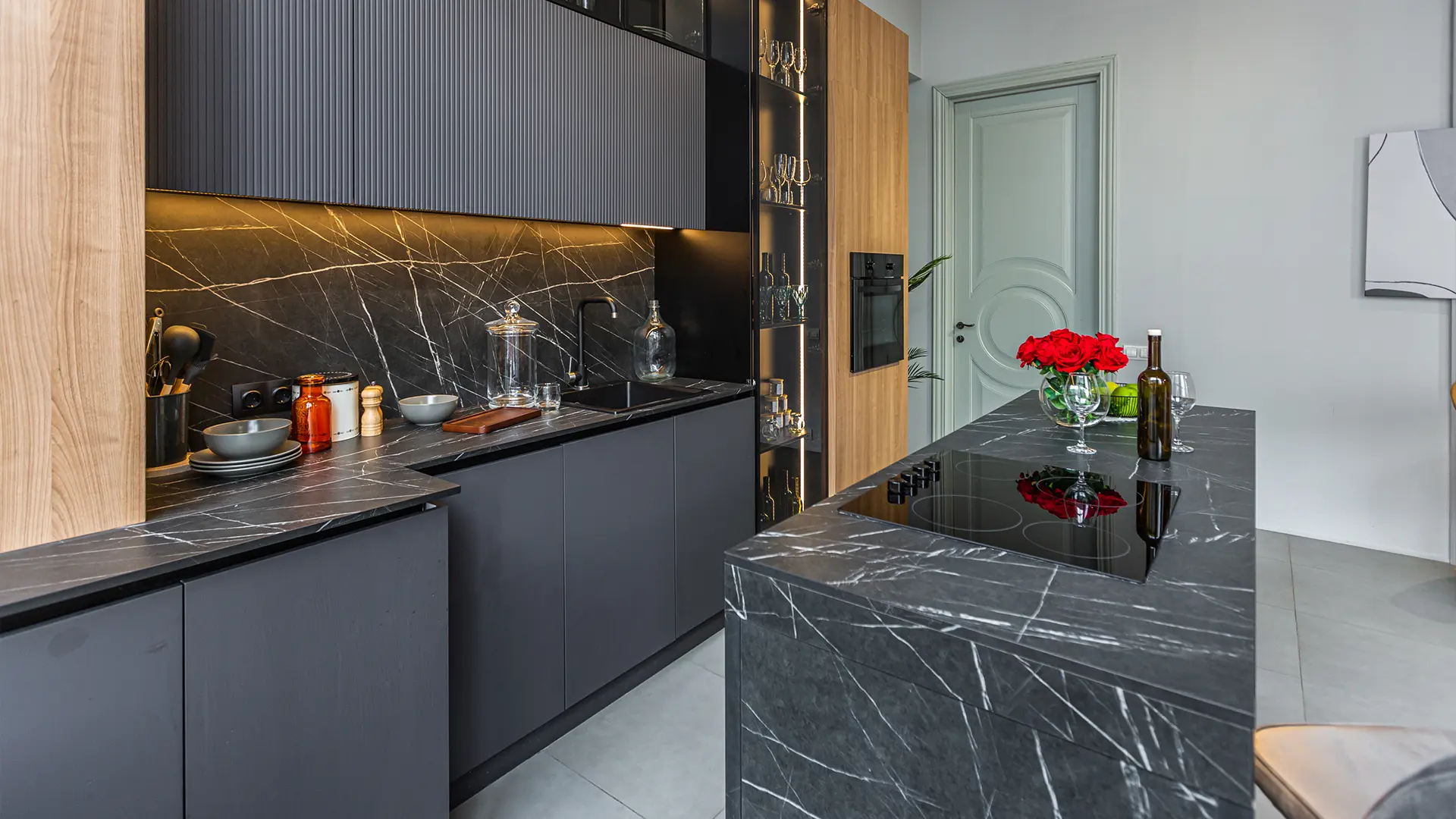
Wood tambour panels have a long and fascinating history, evolving from ancient architectural features to contemporary design elements. Known for their flexibility, aesthetic appeal, and space-saving functionality, tambour panels have adapted over centuries to meet changing cultural, technological, and lifestyle needs.
A Brief History of Tambour Panels
Tambour panels date back to ancient Egypt and Asia, where early versions were crafted from local woods like cedar and mahogany. In Egypt, they were used in tombs and storage systems, symbolizing both utility and status. In Asia, especially Japan and China, tambour-style sliding panels reflected minimalist design and spiritual harmony, often used in doors and partitions.
Materials and Craftsmanship
Originally made using hand tools and natural adhesives, tambour panels required precision craftsmanship. Artisans would interweave thin wooden slats over flexible backing, creating a smooth-sliding surface ideal for cabinetry and room dividers.
19th Century Growth and Industrial Influence
The Industrial Revolution introduced advanced tools that streamlined production. Tambour panels became popular in Victorian furniture, appreciated for their ability to hide storage areas with elegance. New technologies like band saws enabled intricate carvings and detailed woodwork, enhancing their appeal across Europe and America.
Modern-Day Reinvention
Today, wood tambour panels have seen a resurgence in modern interior design. Ideal for compact living spaces, they offer sleek, retractable solutions in kitchens, home offices, and furniture design. Designers now combine wood with sustainable materials like bamboo and recycled composites, aligning tambour panels with eco-conscious trends.
Advantages of Tambour Panels
- Space Efficiency: Tambour panels retract smoothly, maximizing access in tight spaces.
- Aesthetic Appeal: Their textured surfaces add warmth and sophistication.
- Versatility: Suitable for cabinets, partitions, storage units, and more.
- Customization: Available in various finishes, materials, and modern mechanisms (e.g., soft-close systems).
Limitations to Consider
- Requires proper maintenance of sliding mechanisms.
- Installation can be complex compared to standard panels.
- Less impact-resistant than some solid or hinged options.
Tambour Panels vs. Other Panel Types
Unlike hinged or folding panels, tambour panels roll or slide along tracks, eliminating the need for swing space. This makes them ideal for urban and minimalist interiors where design efficiency is key.
Sustainability and Future Outlook
Sustainable production methods and renewable materials are driving tambour panel innovation. From 3D printing to digital cutting technologies, tambour panels are entering a new era of design and customization, reinforcing their place in the future of eco-friendly interiors.
Expert Tips for Choosing and Maintaining Tambour Panels
- Choose quality wood and check for smooth, durable finishes.
- Maintain regularly by cleaning gently and checking tracks for debris.
- Avoid direct sunlight and humidity to extend panel lifespan.
- Ensure accurate measurements before installation to avoid misfits.
Wood tambour panels have evolved into a timeless interior design solution. Their ability to blend aesthetics with functionality makes them a preferred choice for designers and homeowners alike. Whether for heritage restorations or modern homes, tambour panels continue to inspire with their unique charm and practical advantages.